
Movement-based Sketching Immersive Interface
Software, Tool
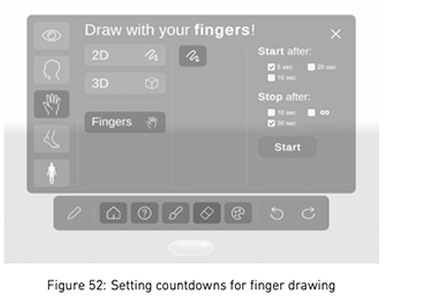
Body-Sketch UI Interface
Body-Sketch
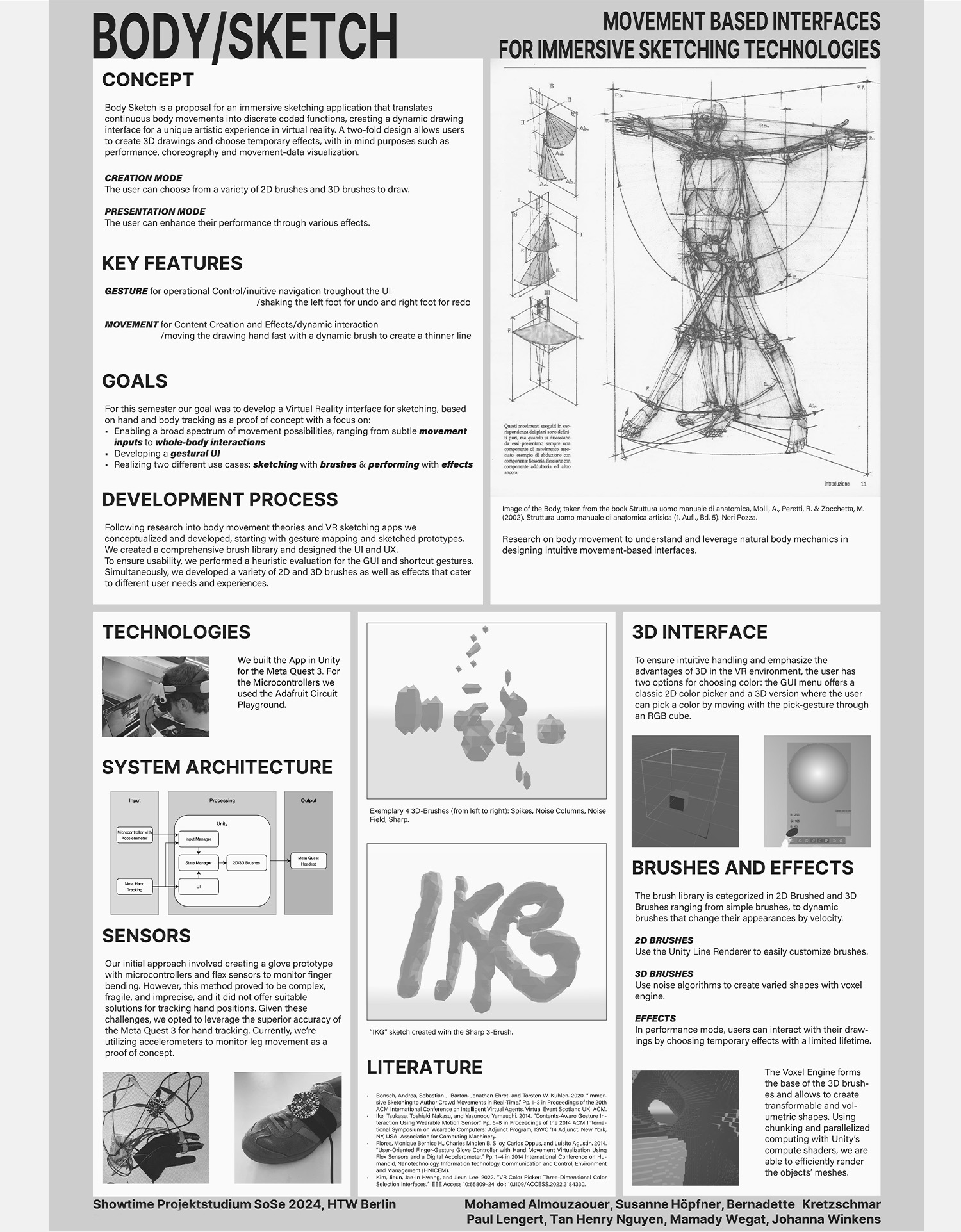
This ongoing system development (2023-present) focuses on creating a fully functional software application that translates continuous movement qualities into discrete, programmable functions. Designed for an immersive 3D drawing interface, the platform enables users to interact through a wide range of motion inputs: from subtle hand gestures to full-body interactions. This shift enhances user input modalities and broadens the accessibility and application of the 3D drawing technology in various fields.
The system is born out of the idea that most of the XR, Cave, sensor-based software is for the first time enabling immersive spaces where the body is central as a perceiving subject but not considered in terms of active agent. Movement qualities, position and different body parts are excluded from the design of the input, mostly relying on hand controllers.
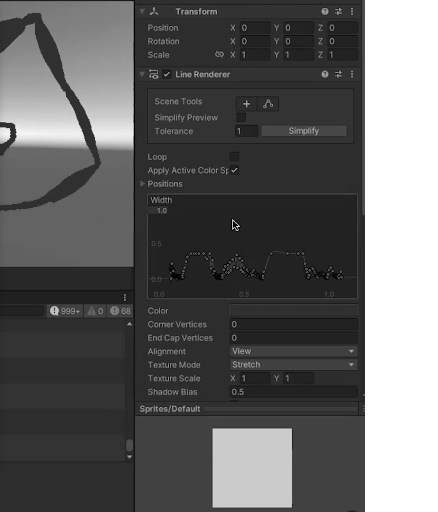
Dynamic-brushes: changing width and color reflecting movement velocity
Revisiting the normative body/input
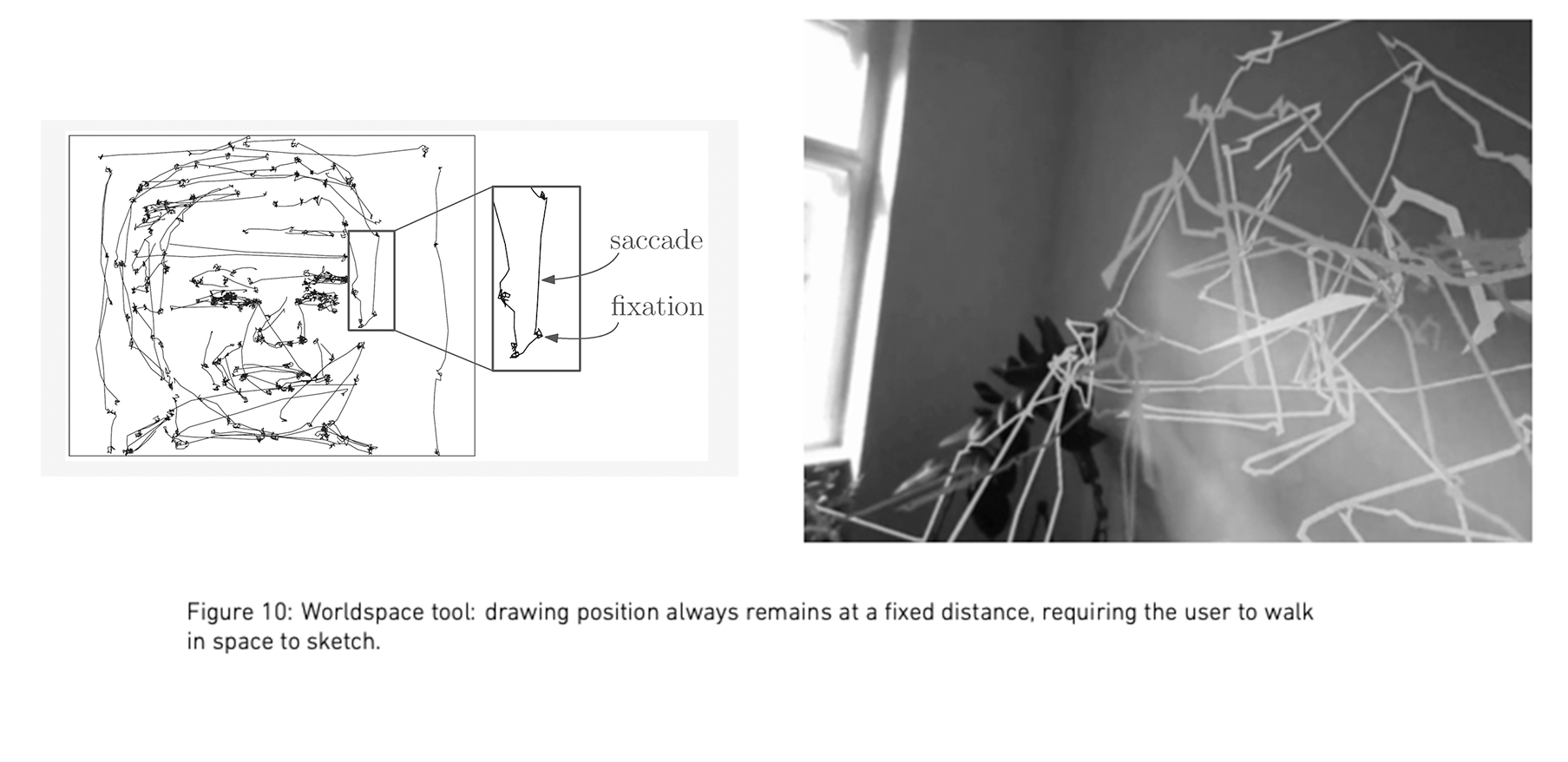
Eye Drawing introduces gaze as an input modality for immersive sketching. Instead of moving controllers to place strokes, the system translates the user’s eye movements into a drawing cursor. This enables hands– free or hybrid workflows, supports accessibility (reduced reliance on controllers), and expands embodied interaction beyond hand-based drawing.
This approach aims to open the design of new tools towards inclusivity and out of standardized features, still keeping a user-centred path at its core.
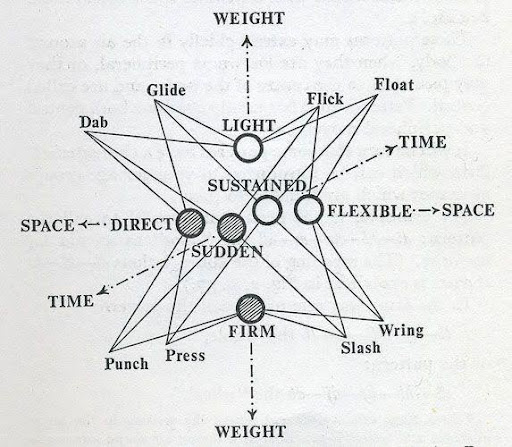
Rudolf Laban (1879 - 1958)
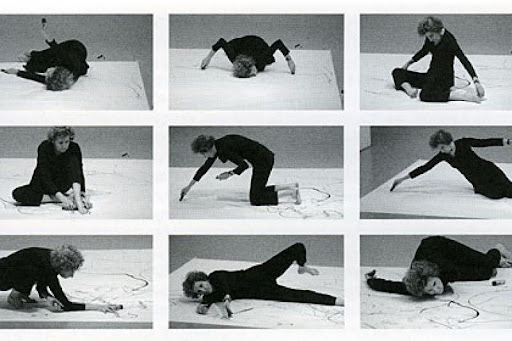
Trisha Brown “It’s a Draw/Live Feed” (2003)
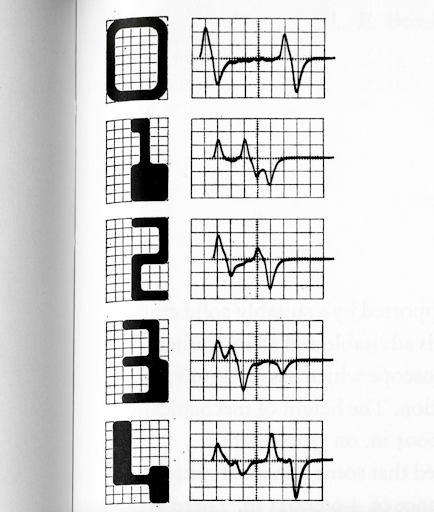
L. E. Boxall’s “Printing with magnetic inks”
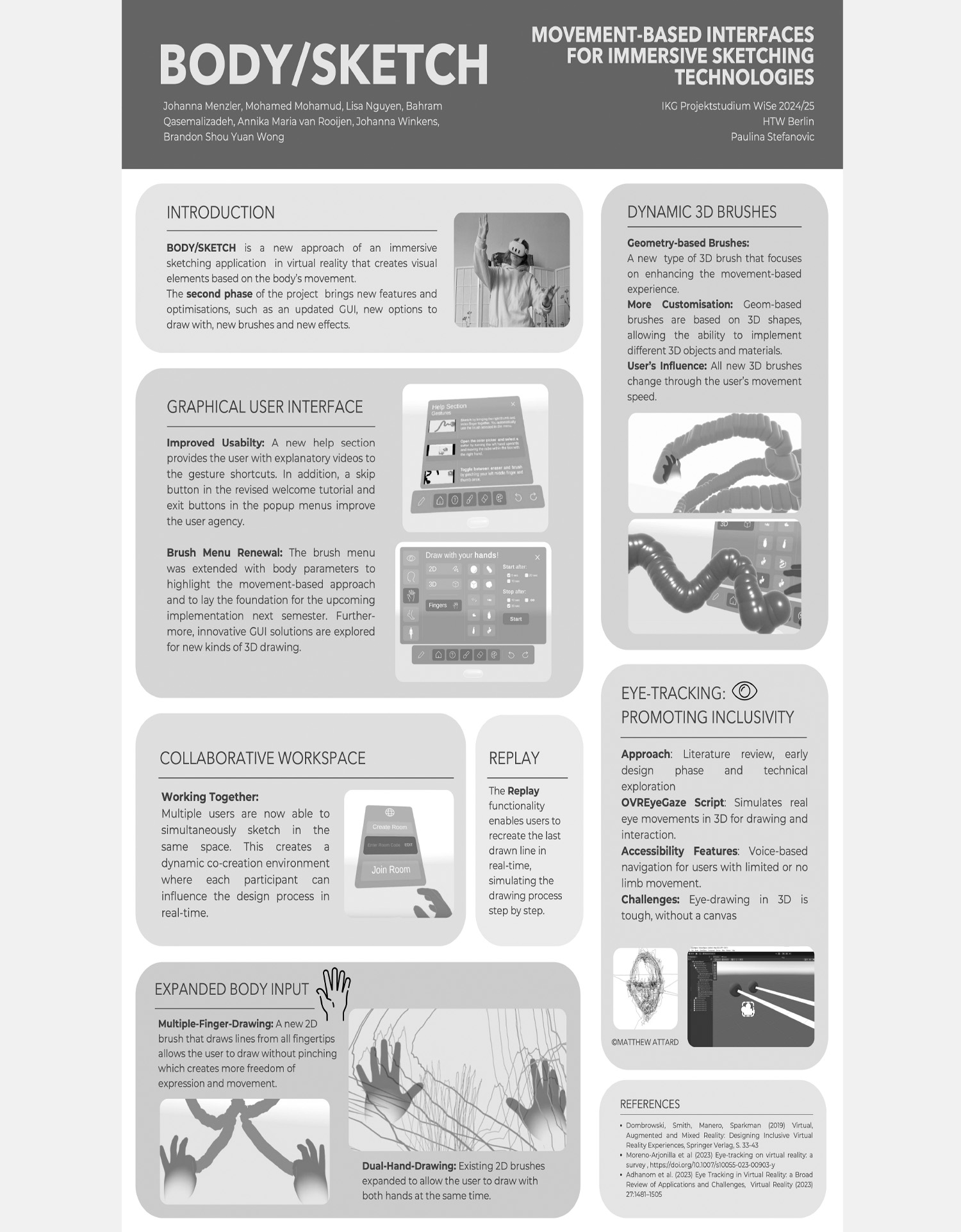
The objective of the software is to translate continuous movement qualities into discrete coded functions to be implemented in a drawing immersive interface. Though the applied use-case is drawing, the concept can be expanded to different applications.